7 Science-Backed Ways Berberine May Lower Cholesterol and Support Heart Health
Nearly 1 in 3 Americans has high cholesterol, which increases the risk of heart attack and stroke. While statins remain the gold standard, many people explore natural alternatives like berberine — a plant-based compound long used in Ayurveda and traditional Chinese medicine.
🔑 How Berberine Supports Heart Health
1. Activates AMPK (The Metabolic Master Switch)
AMPK (adenosine monophosphate-activated protein kinase) regulates metabolism.
Helps the body burn fat for energy instead of storing it.
Activation leads to lower cholesterol and better metabolic balance.
2. Increases LDL Receptors in the Liver
Berberine boosts the number of LDL receptors.
These receptors catch and remove bad cholesterol (LDL) from the blood.
Result: lower LDL levels.
3. Lowers Triglycerides
Studies show a 25–35% reduction in triglycerides.
Helps lower risk of heart disease when combined with reduced LDL.
4. Reduces Cholesterol Production
Influences the liver’s cholesterol-making process.
Works differently than statins but with similar results: less circulating LDL.
5. Improves Gut Microbiota (Emerging Research)
May shift the gut microbiome balance.
Supports healthier cholesterol metabolism.
6. Reduces Inflammation
Lowers chronic inflammation markers.
May help prevent arterial damage linked to heart disease.
7. Decreases Cholesterol Absorption in the Gut
May reduce dietary cholesterol absorption.
Evidence is mixed, requiring more studies.
🌿 What Is Berberine?
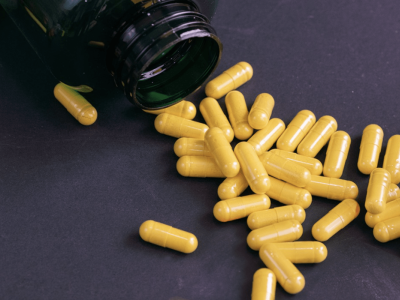
A bright yellow compound from barberry, goldenseal, Oregon grape, and tree turmeric.
Available over-the-counter (OTC) in capsules/tablets.
Traditionally used as a fabric dye due to its yellow color.
Common Uses:
Metabolic health
Weight loss
Lowering LDL cholesterol
🧪 Cholesterol Basics
LDL (Bad Cholesterol): Builds up in arteries.
HDL (Good Cholesterol): Helps clear LDL.
Too much LDL → Atherosclerosis → Coronary artery disease → Heart attack or stroke.
⚠️ Important: Berberine ≠ Statin Replacement
Statins remain the gold standard with stronger clinical evidence.
Berberine may be considered if: 🔸 Mildly high cholesterol/triglycerides 🔸 Statin intolerance 🔸 As a supplement with lifestyle changes
⚠️ Safety & Side Effects
May cause nausea, bloating, diarrhea (especially at first).
Avoid if pregnant, breastfeeding, or with liver disease.
Can interact with medications: 🔸 Statins 🔸 Diabetes meds 🔸 Blood thinners
👉 Always consult a healthcare provider before starting.
🛡️ Choosing the Right Supplement
Supplements are not FDA-regulated like prescriptions.
Look for independent certifications: 🔸 NSF 🔸 U.S. Pharmacopeia 🔸 ConsumerLab
✅ Lifestyle Still Matters Most
Even with berberine, heart health depends on:
🍎 Healthy nutrition
🏃 Regular activity
🧘 Stress management
📚 References
Verywell Health — By Christopher Bergland
✅ Note from Care for Being Healthy:
Berberine shows promise in lowering cholesterol and supporting heart health, but it should be used with medical guidance and not as a replacement for statins or lifestyle changes.