
Measles


Overview
Measles, also called rubeola, is a highly contagious viral infection that primarily affects children but can occur at any age. It is transmitted through airborne respiratory droplets
and can linger in the air or on surfaces for up to two hours after an infected person leaves the area.
Due to global vaccination programs, measles is rare in countries with high immunization coverage. However, outbreaks still occur where vaccination rates are low.
Measles can lead to serious complications, especially in young children, pregnant individuals, and those with weakened immune systems.

What is Measles?



🔹 Symptoms and Causes
Symptoms of Measles
Symptoms usually develop 7–14 days after exposure and often progress in stages:
Early symptoms (Prodrome):
- High fever (up to 105 °F / 40.5 °C)
- Dry cough
- Runny nose (coryza)
- Red, watery eyes (conjunctivitis)
- Fatigue and body aches
- Sore throat and headache
Causes of Measles
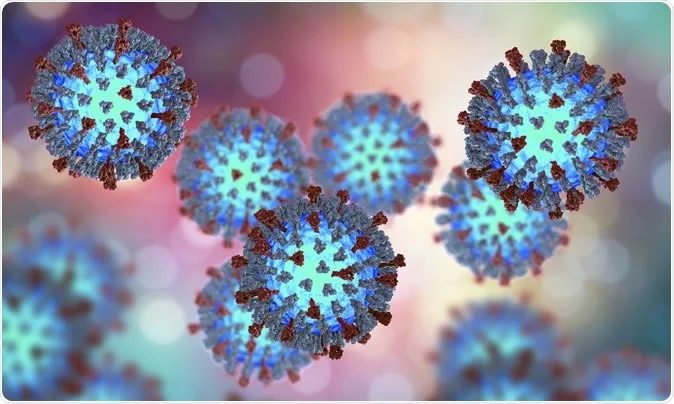
Measles is caused by the measles virus, a single-stranded RNA virus in the Morbillivirus genus. It is among the most contagious viruses known.
Transmission occurs through:
- Airborne droplets from coughing or sneezing
- Direct contact with nasal or throat secretions
- Contaminated surfaces (virus survives up to two hours outside the body)
About 90% of non-immune people exposed to the virus will become infected.
Characteristic signs:
- Koplik spots: Koplik spots: Tiny white spots with bluish centers inside the mouth, appearing 2–3 days after symptoms begin.
- Maculopapular rash: Red, blotchy rash that starts on the face and spreads downward to the neck, trunk, arms, legs, and feet. The rash typically appears 3–5 days after the onset of symptoms and fades in the same order it appeared
Other possible symptoms:
- Diarrhea
- Ear infections
- Vomiting
🔹 Complications

While many people recover fully, measles can lead to severe and sometimes fatal
complications, including:
- Ear infections (otitis media) – may cause hearing loss
- Pneumonia – leading cause of measles-related deaths
- Severe diarrhea and dehydration
- Encephalitis – brain inflammation, which may cause seizures, deafness, or
intellectual disability - Subacute sclerosing panencephalitis (SSPE) – a rare, fatal brain disorder
occurring years after infection - Vision problems and blindness due to corneal damage
The risk of complications is highest in young children, adults over 20, pregnant women,
and immunocompromised people.
Prevention
The MMR vaccine is the best way to prevent measles:
- Two doses are recommended:
o First dose: 12–15 months of age
o Second dose: 4–6 years of age - One dose is about 93% eƯective; two doses are about 97% effective.
Other preventive measures:
- Maintaining herd immunity (at least 95% community vaccination coverage) to
prevent outbreaks - Post-exposure prophylaxis:
o MMR vaccine within 72 hours of exposure can prevent or lessen illness
o Immune globulin within 6 days for high-risk individuals (infants, pregnant
women, immunocompromised)


Diagnosis
Diagnosis is based on:
- Clinical symptoms: presence of fever, rash, cough, conjunctivitis, and Koplik spots
- Exposure history: recent travel or contact with infected persons
- Laboratory tests:
o Blood test for measles-specific IgM antibodies
o RT-PCR testing on throat, nasal, or urine samples for virus detection
Treatment
Currently, there is no specific antiviral medication that cures measles. The goal of treatment is to relieve symptoms, prevent dehydration, and manage complications until the infection runs its course.
Most patients recover within 7–10 days after the rash appears, but supportive care is critical — especially for young children, pregnant women, and immunocompromised individuals.
🔸 Supportive Care
- Fever and Pain Control
- Hydration
- Rest
🔸 Vitamin A Supplementation
- Benefits
- Dosage (WHO guidelines)
🔸 Treatment of Complications
- Bacterial Pneumonia or Ear Infections
- Severe Diarrhea & Dehydration
- Encephalitis
1. Supportive Care
This involves managing symptoms and keeping the body strong enough to fight the
virus:
- Fever and Pain Control:
o Use acetaminophen (Tylenol) or ibuprofen (Advil, Motrin) for fever, headache, and muscle aches.
o Avoid aspirin in children due to the risk of Reye’s syndrome. - Hydration:
o Drink plenty of water, oral rehydration solutions, or clear fluids to replace losses from fever, sweating, and diarrhea. - Rest:
o Adequate bed rest helps conserve energy for immune recovery.
2. Vitamin A Supplementation
The World Health Organization recommends high-dose vitamin A for all children diagnosed with measles, especially under the age of 5, regardless of their nutritional status.
- Benefits:
o Reduces the risk of severe complications such as blindness and pneumonia.
o Lowers mortality rates in children with measles. - Dosage (WHO guidelines):
o 6–11 months: 100,000 IU once daily for 2 days.
o 12 months and older: 200,000 IU once daily for 2 days.
3. Treatment of Complications
Measles can lead to secondary infections. These require targeted medical interventions:
- Bacterial Pneumonia or Ear Infections: Treated with antibiotics such as amoxicillin.
- Severe Diarrhea & Dehydration: Oral rehydration therapy or IV fluids in hospital settings.
- Encephalitis: Requires hospitalization, antiviral therapy (in rare cases), and supportive neurological care.
4. Hospitalization
Indicated for:
- Severe dehydration
- Severe respiratory distress or pneumonia
- Encephalitis
- Very young infants, pregnant women, or immunocompromised patients with complications
In hospitals, patients are kept in airborne isolation rooms to prevent further spread,
since measles can linger in the air for up to 2 hours after the infected person leaves.
5. Post-Exposure Management
If a person is exposed to measles but not immune:
- MMR Vaccine: If given within 72 hours of exposure, it can prevent or reduce disease severity.
- Immune Globulin (IG): Given within 6 days of exposure for high-risk individuals (infants, pregnant women, immunocompromised). Provides temporary protection by supplying ready-made antibodies.
✅ Key Takeaway
Measles treatment is mainly symptom management and complication prevention. Vaccination remains the most effective way to avoid the illness altogether.